
Gums that bleed when you brush are not normal, and they are not something to wait out. Bleeding is the earliest sign of gum disease — and the stage at which it can still be reversed completely. Left alone, the same process destroys the bone that holds your teeth in place, usually without causing pain until the damage is done.
Here is what gum disease actually is, why it matters beyond your mouth, and what a professional cleaning does that brushing cannot.
Two stages, two very different outcomes
Gingivitis is the early stage — red, swollen gums that bleed when you brush. It is fully reversible with good home care and a professional cleaning.
Periodontitis is the advanced stage. The infection destroys the bone and tissue holding your teeth, gums recede, and teeth can loosen or be lost. That bone does not grow back.
Key takeaways
- Bleeding gums are the earliest warning sign — and the easiest stage to treat.
- Gingivitis is fully reversible. Periodontitis is not — it can only be halted.
- Gum disease often causes no discomfort until it is advanced.
- Research links gum disease with heart disease, diabetes and pregnancy complications.
- Most adults need a check-up and cleaning every six months.
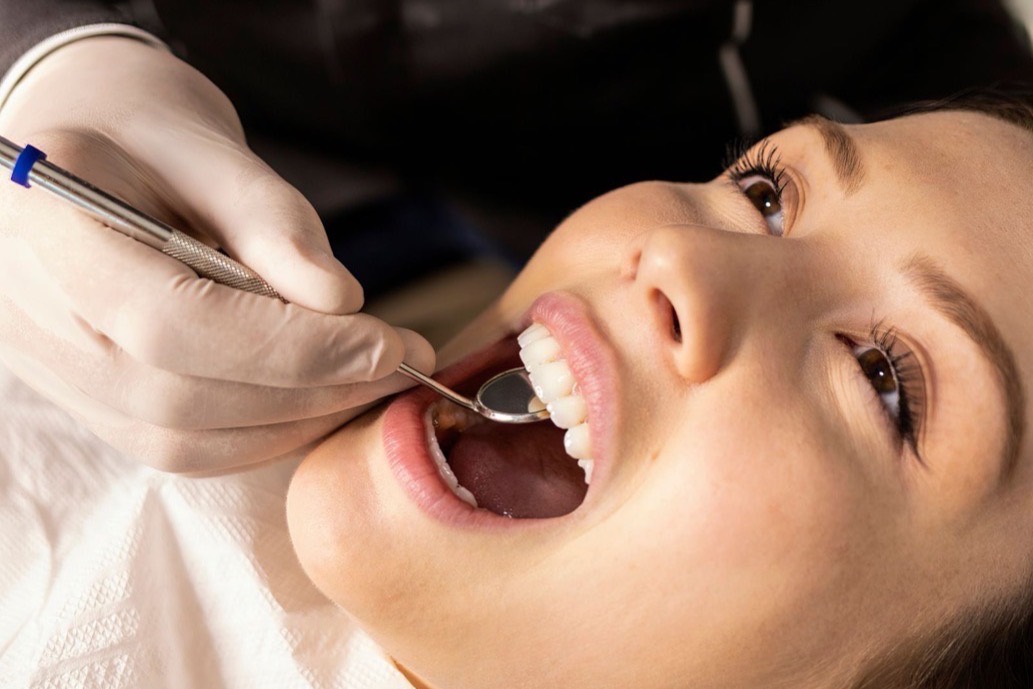
What gum disease actually is
It begins with plaque — a sticky film of bacteria that forms on teeth every day. If it is not removed, it hardens into tartar, also called calculus, which brushing alone cannot shift.
Tartar sits along and below the gumline and keeps the bacteria in constant contact with the gum. The gum responds with inflammation. At first that inflammation is confined to the soft tissue, which is gingivitis. If it continues, it reaches the bone underneath, and that is periodontitis.
Severe gum disease is among the most common chronic conditions worldwide, affecting roughly one in ten adults in its severe form. The World Health Organization treats oral disease as a major global health burden for exactly this reason.
It usually gives you no warning
Periodontitis rarely causes discomfort until it is advanced. Most people discover it only when a tooth loosens or a dentist measures the gum pockets — by which point bone has already been lost. This is why a routine check-up matters even when nothing feels wrong.
How gum health connects to the rest of your body
Inflamed gums let bacteria and inflammatory signals pass into the bloodstream. Over the past two decades, research has linked gum disease with several serious conditions.
People with periodontitis have a higher risk of atherosclerotic cardiovascular disease. Oral bacteria have been found in arterial plaques.
The link runs both ways. Diabetes worsens gum disease, and untreated gum disease makes blood sugar harder to control.
Associated with preterm birth, low birth weight and pre-eclampsia. Gum care before and during pregnancy is safe and recommended.
Mouth bacteria can be inhaled. Poor oral hygiene is linked with pneumonia in older and hospitalised patients.
The two share inflammatory pathways, and one gum bacterium may help trigger the autoimmune response seen in arthritis.
Gum bacteria and their toxins have been detected in the brains of people with Alzheimer’s. This is still being studied.
Association is not the same as cause
In most of these cases the evidence shows a link, not proven cause and effect. Treating your gums is not a treatment for heart disease or diabetes. But the association is consistent enough that international medical and dental bodies now recommend managing gum disease as part of general health care — not as a separate dental matter.
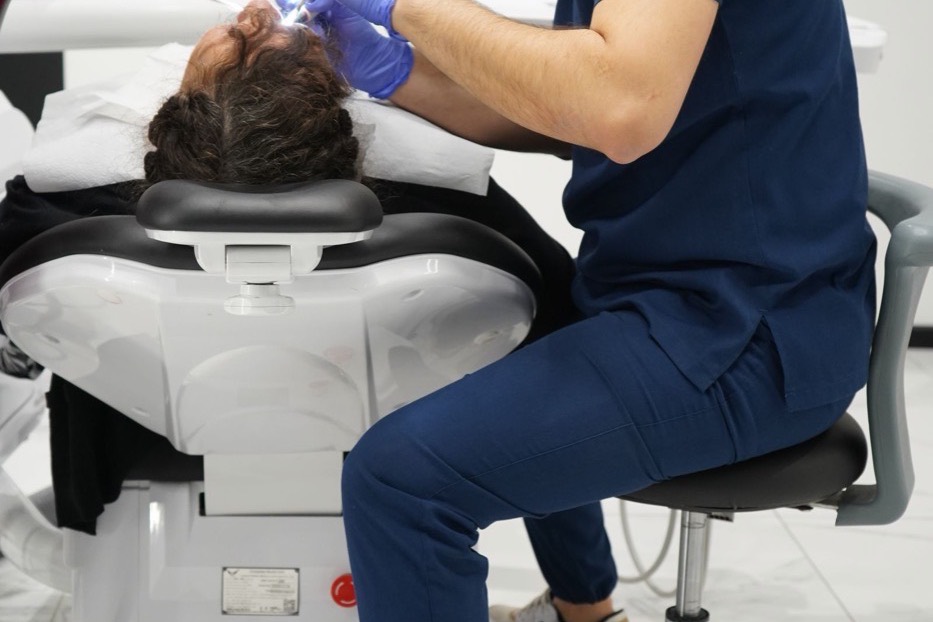
What a professional cleaning actually does
Even careful brushers miss the areas below the gumline and between teeth. Once plaque has hardened into tartar, no amount of brushing will remove it.
A professional cleaning — scaling and polishing — does four things:
- Removes tartar and bacteria from above and below the gumline
- Stops gingivitis before it becomes periodontitis
- Gives your dentist the chance to measure gum pockets and catch problems early
- Removes surface staining and freshens breath
If periodontitis is already established, deeper cleaning of the root surfaces — non-surgical periodontal therapy — is the first line of treatment in international guidelines.
How often should you have one?
Most adults do well with a check-up and cleaning every six months. You may need to come more often — every three to four months — if you have a history of gum disease, if you have diabetes, if you smoke, or if you are pregnant.
Your dentist will tell you which interval applies to you after measuring your gums. It is not a fixed rule.
When to see a dentist
Book an appointment rather than waiting for your next routine visit if you notice:
- Gums that bleed when you brush or floss
- Red, swollen or tender gums
- Persistent bad breath or a bad taste that does not clear
- Gums receding, or teeth that look longer than they used to
- Teeth that feel loose, or a change in how your bite fits together
Looking after your gums at home
With a fluoride toothpaste. Two minutes is longer than most people think — time it once.
Floss or interdental brushes. This is the area a toothbrush cannot reach, and where gum disease starts.
Smoking is one of the strongest risk factors for gum disease, and it masks bleeding so problems hide for longer.
And keep added sugar down. Blood sugar control and gum health move together in both directions.
Frequently asked questions
Is it normal for my gums to bleed when I brush?
No. Healthy gums do not bleed. Bleeding usually means inflammation from plaque at the gumline. The good news is that at this stage it is reversible — the NHS guidance on gum disease says the same.
Does a cleaning hurt?
Most people find a routine scaling and polishing comfortable. If your gums are already inflamed they may be more sensitive, so tell your dentist — the technique and pace can be adjusted, and numbing is available for deeper cleaning.
Can gum disease be reversed?
Gingivitis can be fully reversed. Periodontitis cannot — the bone that has been lost does not return — but treatment stops it progressing and saves the teeth you still have. The earlier it is caught, the more there is to save.
How long does a cleaning take?
A routine cleaning usually takes under an hour. Deeper periodontal treatment takes longer and is often done across more than one visit.
Is dental cleaning safe during pregnancy?
Yes. Gum care before and during pregnancy is both safe and recommended, since pregnancy hormones make gums more prone to inflammation. Tell your dentist you are pregnant and how far along you are.
Healthy gums are not just about a nice smile. They are part of a healthy body. A cleaning takes less than an hour, yet it can prevent tooth loss and lower an inflammatory burden linked to some of today’s most serious diseases.
Dr. Jayati Pandit, BDS, MDS (Periodontology), Al Diyafa Medical Group
Why patients choose Al Diyafa
Our dental team sits in the same group as our internal medicine clinicians and our own laboratory. That matters more for gums than it sounds — if a gum problem points to uncontrolled blood sugar, the blood test and the consultation are in the same organisation rather than three separate appointments across the city.
Book a dental check-up and cleaning
If it has been more than six months since your last cleaning, or you have noticed bleeding when you brush, book a gum health check at our dental clinic in JLT. Early care is simpler and more comfortable than treating advanced disease. WhatsApp us at +971 50 210 5888 or see our dental services.
Emergency? Call 998.
Facial swelling that is spreading, difficulty swallowing or breathing, or a dental infection with fever needs urgent care — call 998 (UAE ambulance) or go to the nearest emergency department. Do not wait for a clinic appointment.
Medical disclaimer. This article is provided by Al Diyafa Medical Group for general health information only. It is not a substitute for professional medical advice, diagnosis, or treatment. Always seek the guidance of your physician or another qualified health provider with any questions you may have regarding a medical condition. Al Diyafa Medical Group is licensed by the Dubai Health Authority (DHA). All clinicians referenced hold active DHA licenses in their respective specialties.