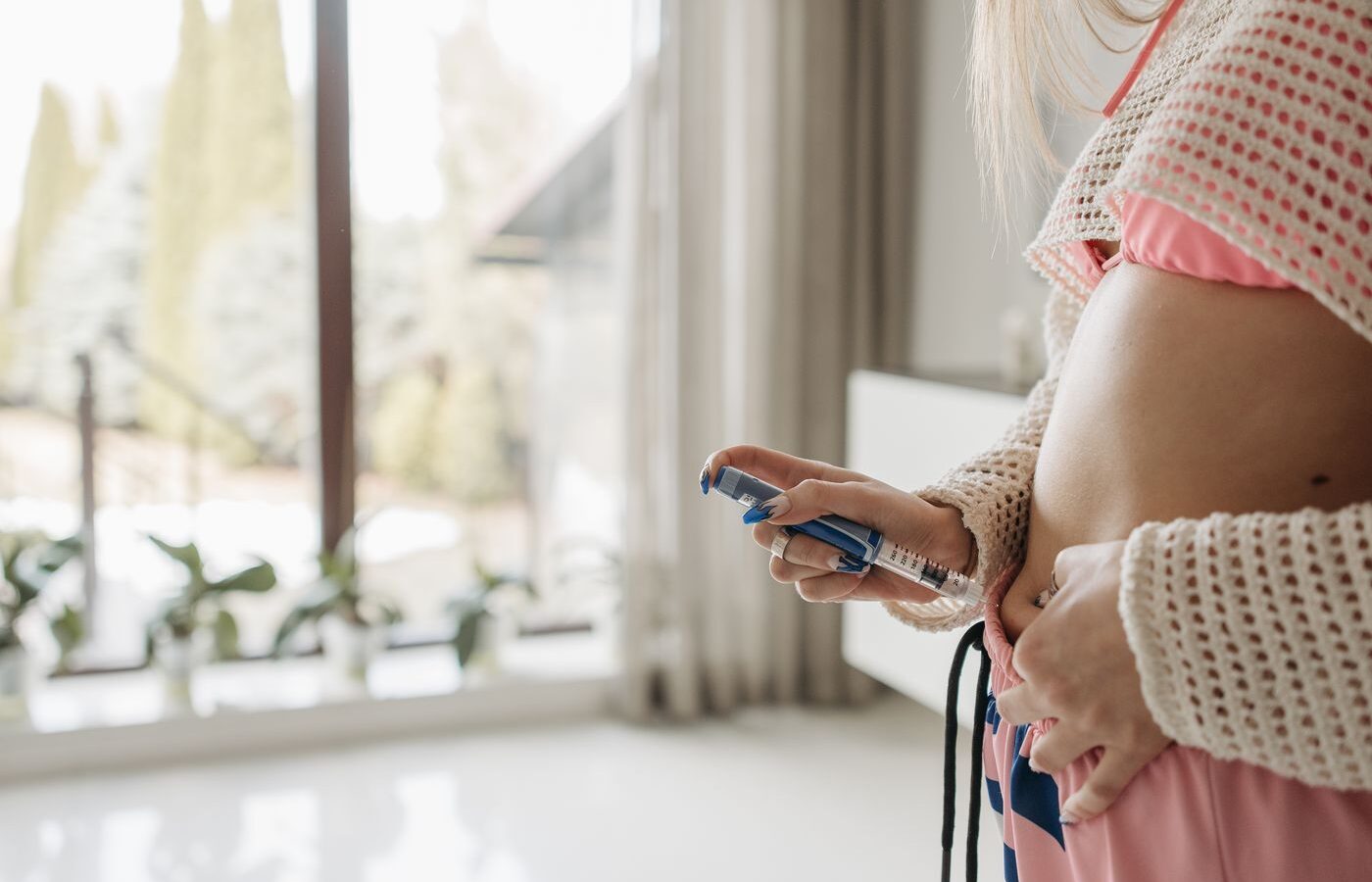

Barely a week goes by without a patient asking me some version of the same question: “My friend is on Ozempic and has lost so much weight — can I take it too?” or “Is Mounjaro safe? Should I just order it online?”
It’s an understandable question. GLP-1 receptor agonists have become one of the most talked-about advances in modern medicine, and the arrival of the first oral versions in 2026 has only accelerated public interest. But these are prescription medications for specific medical conditions — not a shortcut to be self-administered because a friend, a celebrity, or a social media trend recommends it. Here’s what you actually need to know.
Why so much noise about “the weight-loss shot”?
GLP-1 medications mimic a natural gut hormone that regulates blood sugar and appetite. First approved for type 2 diabetes, they were later found to produce meaningful weight loss — and 2026 brought the first practical oral versions to market.
What GLP-1 medications do
GLP-1 (glucagon-like peptide-1) receptor agonists mimic a natural gut hormone that regulates blood sugar, slows stomach emptying, and signals fullness to the brain. This combination is why they were originally developed for type 2 diabetes and were later found to produce significant weight loss — leading to a second wave of approvals specifically for obesity management.
The types available today
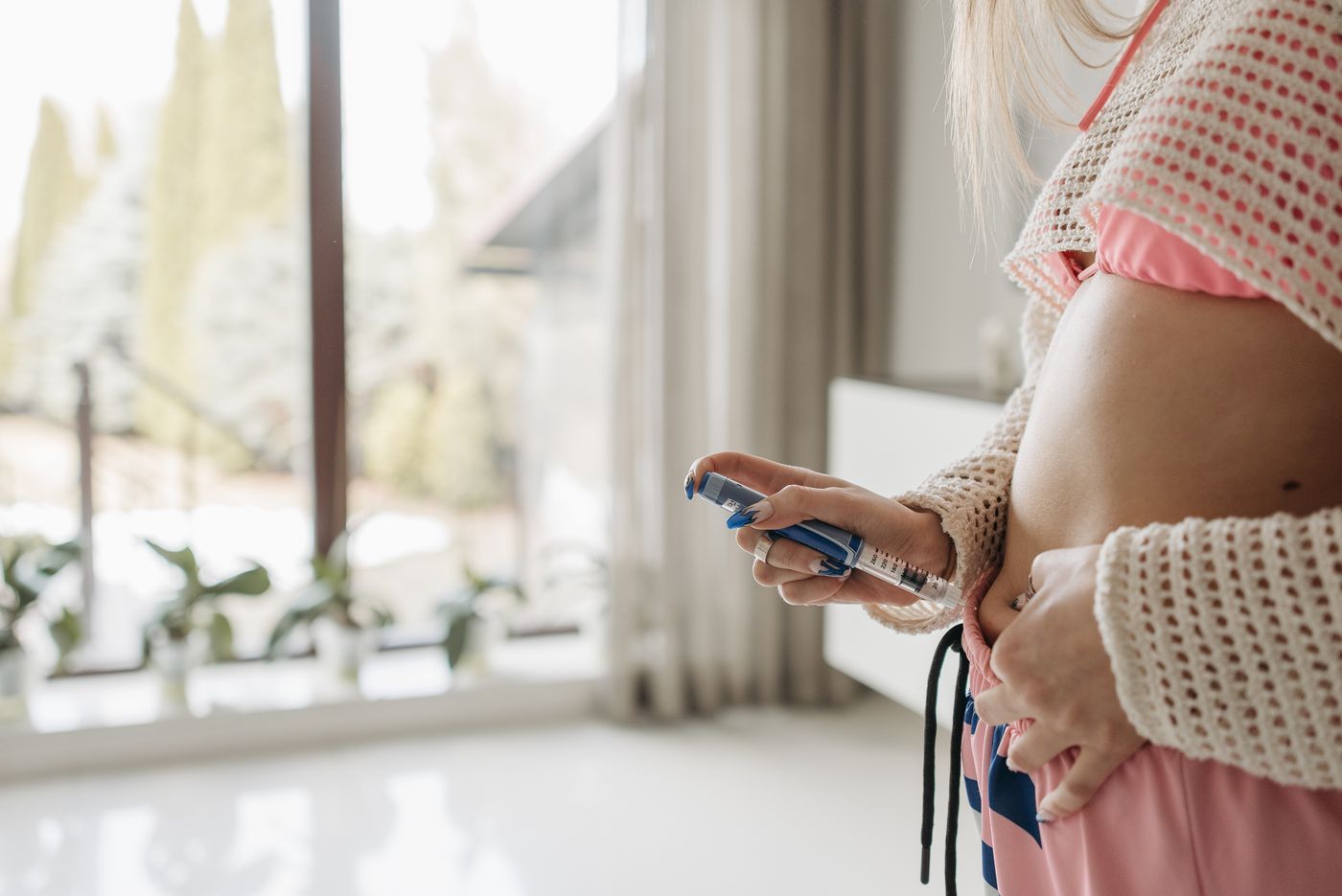
Injectable options (the original and still the most effective by average weight loss):
- Semaglutide — marketed as Ozempic (diabetes) and Wegovy (weight management), taken as a once-weekly injection.
- Tirzepatide — marketed as Mounjaro (diabetes) and Zepbound (weight management). A dual GLP-1/GIP receptor agonist — it acts on two gut hormone pathways rather than one, and tends to produce greater average weight loss than semaglutide alone.
Oral options — the newer development:
- Oral semaglutide (Rybelsus) — the original pill form, available since 2019, taken fasting each morning at least 30 minutes before food, drink, or other medications.
- Oral semaglutide 25 mg (Wegovy pill) — a higher-dose oral formulation for weight management, launched in early 2026, with the same fasting requirement as Rybelsus.
- Orforglipron (Foundayo) — approved by the FDA in April 2026, this is the first non-peptide oral GLP-1 medicine. Because of its different chemical structure, it does not require fasting or water restrictions and can be taken at any time of day — a genuine convenience advantage, though trial data so far suggests it is somewhat less potent than the injectable options.
A word of caution on retatrutide
Retatrutide is the most talked-about GLP-1 medication currently in development — a “triple agonist” that acts on three gut hormone pathways at once (GLP-1, GIP, and glucagon), with early trial data suggesting it may produce greater weight loss than any currently approved option. It is not FDA-approved and is not expected to be until late 2027 at the earliest.
Despite this, retatrutide is already being sold online through “research chemical” and grey-market peptide vendors, often labelled “not for human consumption” as a legal workaround, with people self-dosing based on advice from social media rather than a physician. These products are unregulated: there is no guarantee of purity, correct concentration, sterility, or even that the vial contains what the label claims. Regulators have already issued warning letters over this market. Please don’t be an early adopter of an unregulated vial from an online seller.
Other agents, including CagriSema, are also still in late-stage trials and not yet approved for clinical use. Availability of the newer oral medicines outside the US, including in the UAE, is still expanding, so always check with your physician or pharmacist about what is currently registered and accessible locally.
What every patient should know before starting
- These are prescription medicines for specific indications — type 2 diabetes, or obesity/overweight with a weight-related medical condition. They are not intended for casual or cosmetic use in people who don’t meet those criteria, and “my friend is on it” is not a medical indication.
- They are not a substitute for lifestyle change. Every approval trial paired the medication with diet and physical activity. The drug helps you eat less and manage blood sugar better — it does not replace the need for a sound nutrition and exercise plan.
- Side effects are common and usually manageable, but not trivial. Nausea, vomiting, diarrhea, constipation, and reflux affect a meaningful proportion of users, especially during dose escalation. Gallstones and, rarely, pancreatitis can occur.
- There are real contraindications. These medications should not be used by anyone with a personal or family history of medullary thyroid carcinoma or Multiple Endocrine Neoplasia syndrome type 2 (MEN2), and caution is needed in those with a history of pancreatitis or severe gastrointestinal disease.
- Sourcing matters. Obtain these medications only through a licensed pharmacy with a genuine prescription from a physician who has actually assessed you — not through unverified online sellers or “research chemical” suppliers.
Lab tests to monitor while on treatment
Your physician will personalize which of these apply to you and how often — not every test is needed for every patient.
| Test | Why | Typical frequency |
|---|---|---|
| HbA1c | Long-term blood sugar control | Every 3–6 months (mainly for diabetic patients) |
| Fasting blood glucose | Day-to-day sugar levels | As advised by your physician |
| Kidney function (creatinine, eGFR, BUN) | GLP-1 drugs can affect renal health, especially with dehydration from GI side effects | At least annually — more often if kidney function is already reduced |
| Liver function (ALT, AST, bilirubin) | To catch any adverse effect on the liver | Periodically, based on individual risk |
| Electrolytes (sodium, potassium, magnesium) | Vomiting or diarrhea can cause imbalances | Periodically, as advised |
| Lipid profile | GLP-1 drugs influence cholesterol metabolism | Every 6–12 months |
| Pancreatic enzymes (amylase, lipase) | To rule out pancreatitis | Only if severe abdominal pain occurs — not routine screening |
| Thyroid function (TSH, Free T4) | Precaution given a thyroid tumor signal seen in animal studies | Mainly for those with personal or family thyroid risk factors |
The part most people miss: protecting your muscle
This is the piece of the conversation that gets the least attention, and it matters. Studies show that roughly 25–40% of the weight lost on GLP-1 therapy can be lean muscle mass rather than fat — and because total weight loss on these drugs is often large, the absolute amount of muscle lost can be significant, particularly in older adults. Losing muscle isn’t just a cosmetic issue: it affects strength, mobility, metabolic rate, and how well weight stays off after stopping the medication.
The good news: this is largely preventable.
Protein target while on GLP-1 therapy
Aim for roughly 1.2–1.6 g of protein per kg of body weight per day, spread across meals (roughly 25–40 g per meal) rather than loaded into one sitting. This is meaningfully higher than the standard 0.8 g/kg recommendation for the general population — appetite suppression on these medications makes it easy to under-eat protein along with everything else.
Resistance training — non-negotiable, not optional
- Frequency: 2–3 sessions per week, covering all major muscle groups.
- Focus: Compound movements — squats, lunges, push-ups, rows, deadlifts — which recruit the most muscle per session.
- Intensity: Enough resistance to feel challenging by the last few repetitions, with correct form prioritized over heavy weight.
- Volume: 2–3 sets of 8–12 repetitions per exercise is a reasonable general target.
- Recovery: Allow roughly 48 hours between sessions targeting the same muscle group.
Evidence suggests structured resistance training during GLP-1 therapy can reduce lean mass loss by roughly a third to a half compared with no exercise at all — without blunting fat loss. In practical terms: the patients who combine adequate protein with regular strength training are the ones who end up leaner, stronger, and better able to maintain their results, rather than simply lighter on the scale.
The bottom line
GLP-1 medications — injectable or the newer oral forms — are genuine medical breakthroughs when used for the right patient, at the right dose, under real medical supervision, with periodic monitoring and a plan to protect muscle along the way. They are not a “candy” to be shared between friends based on someone else’s results.
If you’re considering treatment, or are already on one of these medications and haven’t discussed a monitoring and muscle-preservation plan with your doctor, that conversation is worth having.
Book a consultation with Dr. Atul Kumar
If you’re weighing up GLP-1 therapy — or already taking one and want a proper monitoring and muscle-preservation plan — book a consultation with Dr. Atul Kumar, Specialist Internal Medicine, at Al Diyafa Modern Medical Centre (Jumeirah-1). WhatsApp us at +971 50 210 5888.
Emergency? Call 998.
If you or someone you’re with is having a medical emergency, call 998 (UAE ambulance) or go to the nearest emergency department. Don’t delay care for the sake of a clinic appointment.
This article is provided by Al Diyafa Medical Group for general health information only. It is not a substitute for professional medical advice, diagnosis, or treatment. Always seek the guidance of your physician or other qualified healthcare provider with any questions you may have regarding a medical condition.
Have questions about this topic?
Chat with our clinical team — usually under 10 minutes during clinic hours.
Medically reviewed by Dr. Atul Kumar
Medical Director and founder of Al Diyafa Medical Group. Practising internal medicine in Dubai since 1992 with over four decades of clinical experience across the UAE, Libya, and India.
Medical disclaimer. This article is provided by Al Diyafa Medical Group for general health information only. It is not a substitute for professional medical advice, diagnosis, or treatment. Always seek the guidance of your physician or another qualified health provider with any questions you may have regarding a medical condition. Al Diyafa Medical Group is licensed by the Dubai Health Authority (DHA). All clinicians referenced hold active DHA licenses in their respective specialties.