
Key takeaways
- Food, sleep, and stress form a triangle — each one shapes the other two. Fix the diet, and the other two start to follow.
- Magnesium, vitamin B6, L-theanine, and tryptophan are the four nutrients most worth understanding for stress and sleep.
- The gut-brain axis matters: 90% of serotonin (the “happy hormone”) is made in the gut. Probiotic foods help.
- Adaptogens like ashwagandha, shatavari, and maca root support the adrenals and lower the stress response.
- Lifestyle is foundational: no screens 30 minutes before bed, last meal 2 hours before sleep, sleep in a dark room, walk barefoot on grass.
Nutrition plays a pivotal role in balancing stress and sleep. What you eat affects your sleep, which in turn influences how you handle stress. They form a triangle, dependent on one another. Quality sleep is vital for emotional regulation and reducing sensitivity to stress — without it, the smallest things start to feel overwhelming.
The four nutrients worth knowing
Four nutrients consistently show up in the research as helpful for sleep, mood, and stress resilience. Add a few of these to your routine:
The calm-mood vitamin. Helps produce happy neurotransmitters like serotonin. Find it in avocado, sweet potato, and banana.
The relaxation mineral. Famously calming for the nervous system. Best sources: cacao, dark chocolate, nuts, and seeds.
The focused calm. Found in matcha, calms the mind by elevating GABA, dopamine, and serotonin.
The sleep precursor. Body converts to serotonin, then melatonin. Snack on almond milk, soaked almonds, pistachios, eggs, oats, or grilled fish.
“Quality sleep is vital for emotional regulation. Without it, the smallest things start to feel overwhelming.”
— Reena Poptani, Clinical Dietitian
The gut-brain axis — why probiotics matter for stress
The gut-brain axis plays a crucial role in regulating stress. 90% of serotonin, the happy hormone, is produced in the gut. So a struggling gut means a struggling mood.
Support your gut bacteria daily with probiotic-rich foods: curd, garlic, oats, kimchi, and apples. (For a deeper dive on gut health, see my guide to gut health.)
Turmeric, anti-inflammation, and golden milk
Turmeric contains curcumin, an anti-inflammatory compound that helps with mood and stress. Traditional turmeric golden milk is a go-to remedy for good sleep when unwell — it relaxes the mind without medication.
Adaptogens — herbs that lower cortisol
When stress levels are high, cortisol rises, and the body becomes imbalanced. Adaptogens help the body return to homeostasis so it can function at its best. Traditional herbs that support the adrenal glands include:
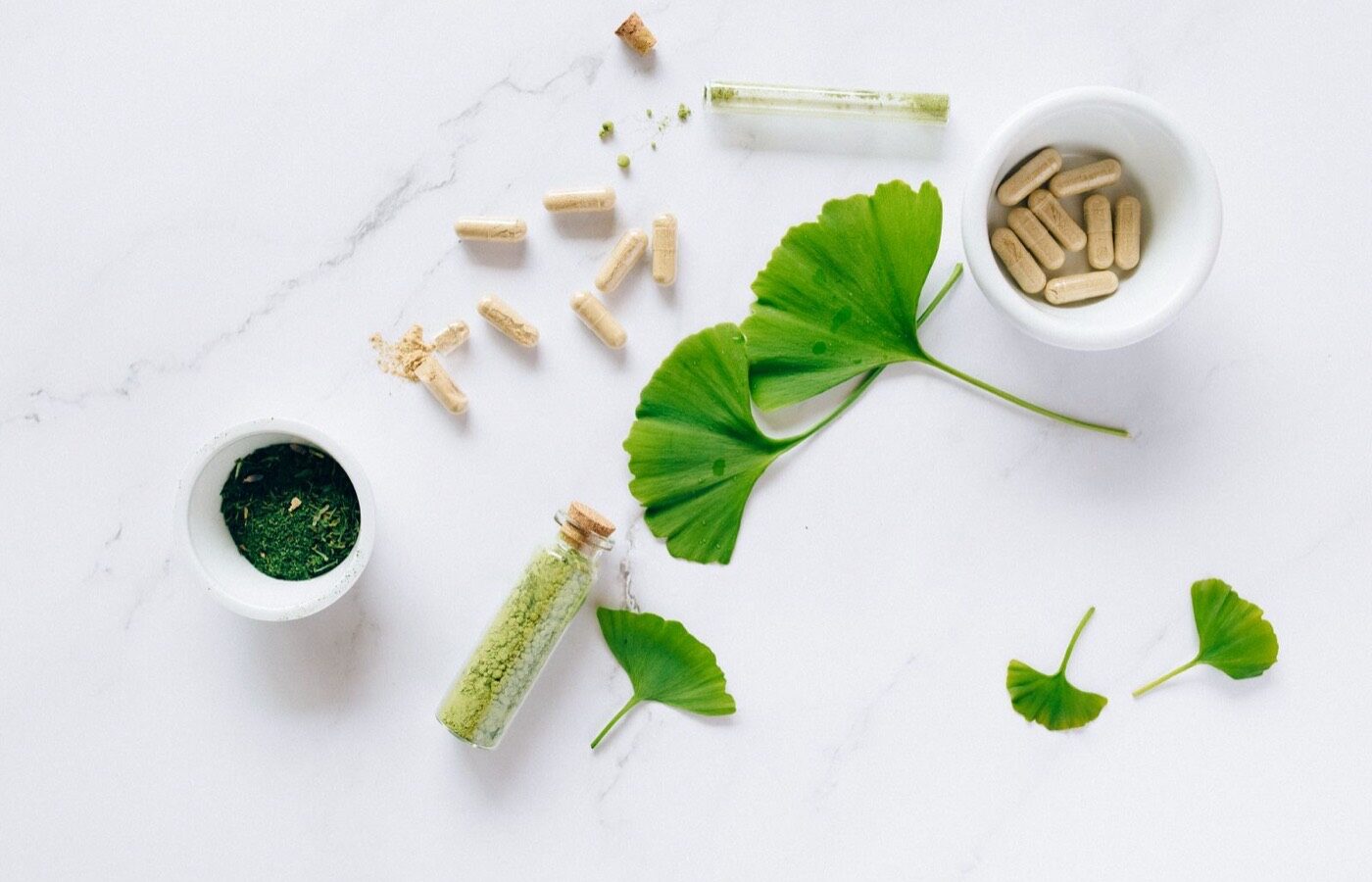
The most studied adaptogen, used for sleep and anxiety.
Especially supportive for women’s hormonal balance.
Energy and endurance support.
Helps with adrenal recovery (avoid if you have high blood pressure).
Lifestyle is the foundation
The right food matters, but lifestyle changes are foundational. Try these tonight:
Blue light suppresses melatonin.
Digestion is incompatible with deep sleep.
Even small light sources reduce melatonin output.
When overwhelmed — grounding reduces cortisol.
Oxytocin release is a natural anti-anxiety hormone.
The bottom line
Sleep and stress aren’t separate problems. They’re both downstream of how you eat, move, and wind down. Start with one nutrient (try magnesium-rich dark chocolate after dinner), one habit (last meal 2 hours before bed), and build from there. Small consistent changes work better than dramatic overhauls.
Want a personalised plan for sleep, stress, or weight?
I work with patients at Al Diyafa Modern Medical Centre to design realistic, food-first plans rooted in evidence and Indian dietary tradition. Insurance accepted.
By Ms. Reena Poptani
DHA-Licensed Clinical Dietitian at Al Diyafa Medical Group. M.Sc Clinical Nutrition & Dietetics with 5 years of hospital experience including JCI/NABH-accredited Fortis Hospital, Mumbai. Specialises in diabetes reversal, gut health, and hormonal balance.
Medical disclaimer. This article is provided by Al Diyafa Medical Group for general health information only. It is not a substitute for professional medical advice, diagnosis, or treatment. Always seek the guidance of your physician or another qualified health provider with any questions you may have regarding a medical condition. Al Diyafa Medical Group is licensed by the Dubai Health Authority (DHA). All clinicians referenced hold active DHA licenses in their respective specialties.